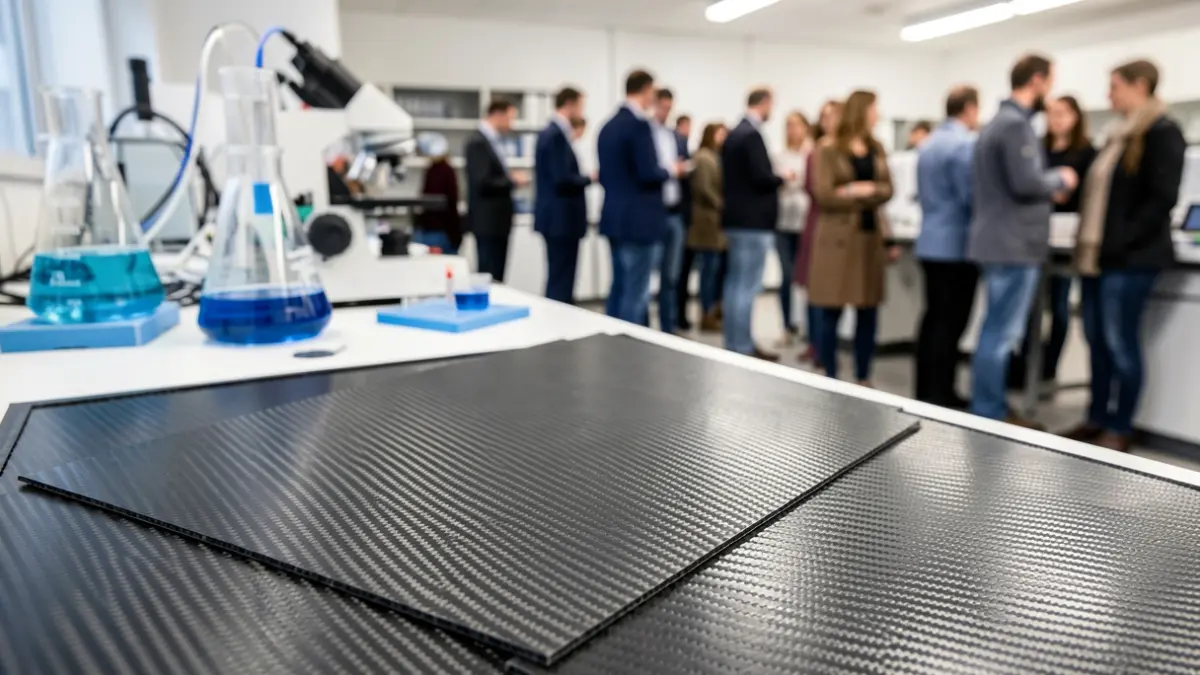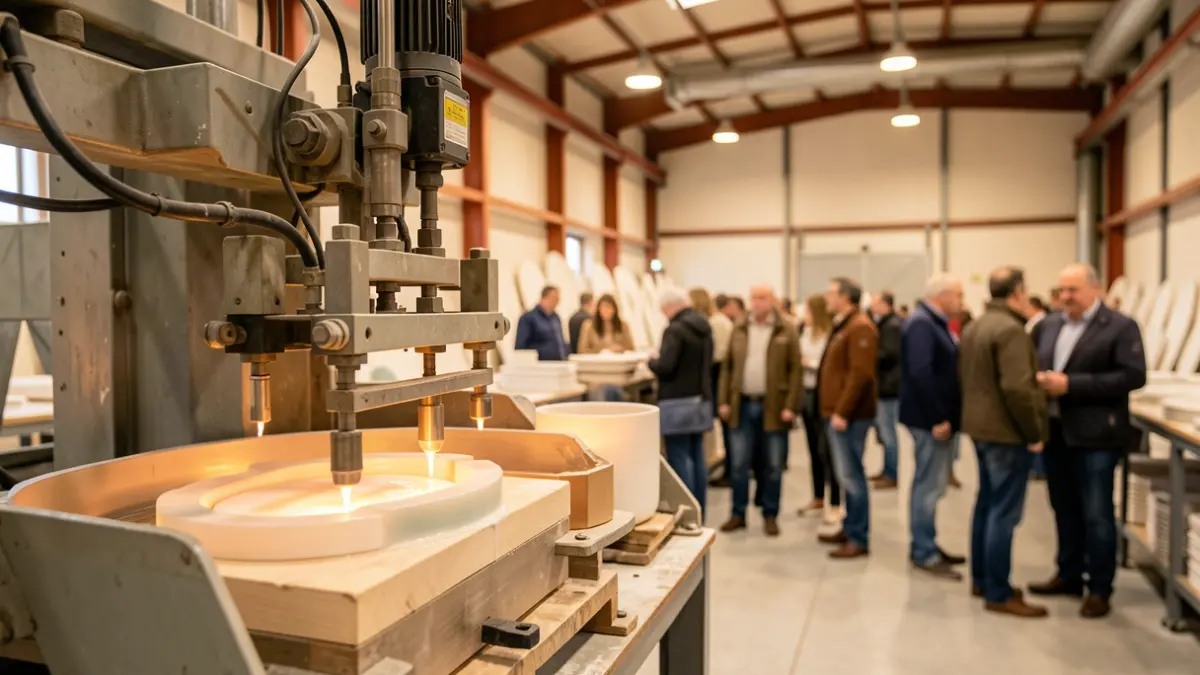

The initiative TIC BioIN – Transfer of innovation and knowledge for the development of the Bioeconomy in the Interior, funded by COMPETE 2030, aims to strengthen the link between science, technology, and the market. The project brings together six entities from the research and innovation system to accelerate knowledge transfer and promote the valorization of biological resources and existing knowledge in the North, Center, and Alentejo regions.
Led by the BLC3 Association – Technology and Innovation Campus, the consortium also involves CECOLAB, CATAA, CEBAL, Food4Sustainability, and TAGUSVALLEY. This network of six entities possesses complementary competencies in research, technological demonstration, knowledge transfer, intellectual property, entrepreneurship, and connection to the business fabric.
The funding from COMPETE 2030 is crucial for moving scientific knowledge to the market. This support helps reduce innovation barriers, enabling companies, especially SMEs in the Interior, to test and validate technological solutions without significant prior investment in pre-industrial lines. Thus, the funding leverages knowledge transfer, intellectual property valorization, and the connection between researchers, companies, and the market, fostering the creation of new products and services in the Bioeconomy.
The initiative is structured into four areas of intervention: testing and pre-commercial validation of technologies; valorization and exploitation of intellectual property in Bioeconomy; strengthening cooperation between companies and scientific-technological entities; and dissemination of results and creation of new communication channels with the market.
The technological areas covered include the valorization of bio-resources and by-products, precision bioeconomy, digitalization and technological equipment applied to forestry, new biomaterials, green chemicals, new agri-food solutions, aquatic systems, and technologies for more efficient resource use. The project aims to build bridges between research and business needs, increasing the innovation capacity and economic competitiveness of low-density territories.
The business dimension is particularly relevant, with plans for a national and international cooperation network, the establishment of 48 cooperation agreements, and the promotion of 24 new R&I projects involving businesses. The financial support transforms cooperation and generated knowledge into concrete innovation opportunities, strengthening the capacity of Interior companies to develop new products and solutions.
With TIC BioIN, COMPETE 2030 funding acts as a leverage instrument for the Bioeconomy in the Interior, not only supporting knowledge generation but, above all, creating conditions for this knowledge to reach companies, be demonstrated, validated, and converted into economically valuable innovation. The consortium aims to consolidate a lasting network capacity, contributing to new investment and cooperation opportunities.