The project, involving 48 companies and scientific entities, has significantly strengthened the national value chain for batteries and energy storage. The closing session was attended by Manuel Castro Almeida, Minister of Economy and Territorial Cohesion, and Fernando Alfaiate, president of Recuperar Portugal, marking the end of a development cycle for new solutions and competencies.
Fernando Alfaiate highlighted that the most significant legacy of the Recovery and Resilience Programme (PRR) lies in the innovation and competitiveness capabilities the country has gained. The NGS Agenda fostered collaboration between 27 companies and 21 research entities, covering the entire battery value chain.
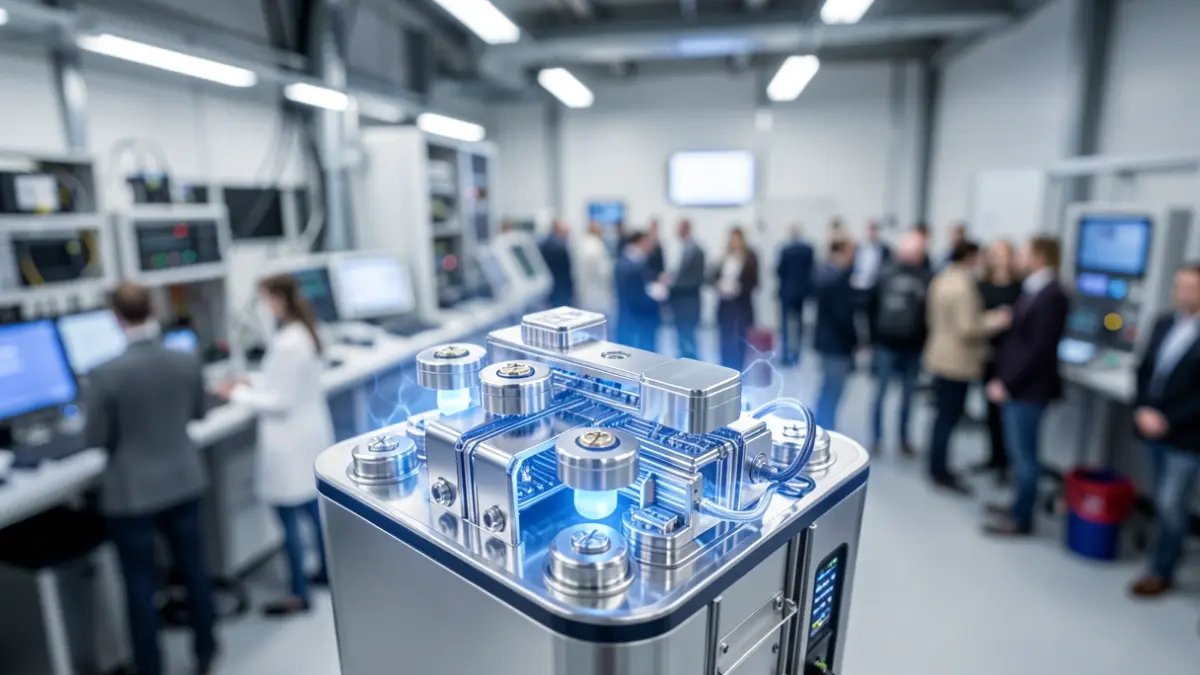
Twenty-one new solutions were developed in areas such as raw material refining, materials, components, battery cells and modules, integration, applications, as well as second-life and recycling solutions. Additionally, five pre-industrial pilot lines and three industrial lines were established, enhancing national technological and productive capacity.
A tangible outcome is the lithium-ion battery recycling industrial unit developed by b.again, a company within the dstgroup. The project also contributed to training and knowledge production, with the completion of 102 master's and doctoral theses, 80 scientific publications, and 15 short-term courses.
“"The true legacy of the PRR will not just be what we have built, but what Portugal will be capable of doing afterwards. Innovating is not an option. It is the necessary condition for competing."
With the conclusion of the NGS Agenda, new solutions, equipment, skills, and collaboration networks remain, essential for technological advancement and the development of new industrial and market applications in Portugal.