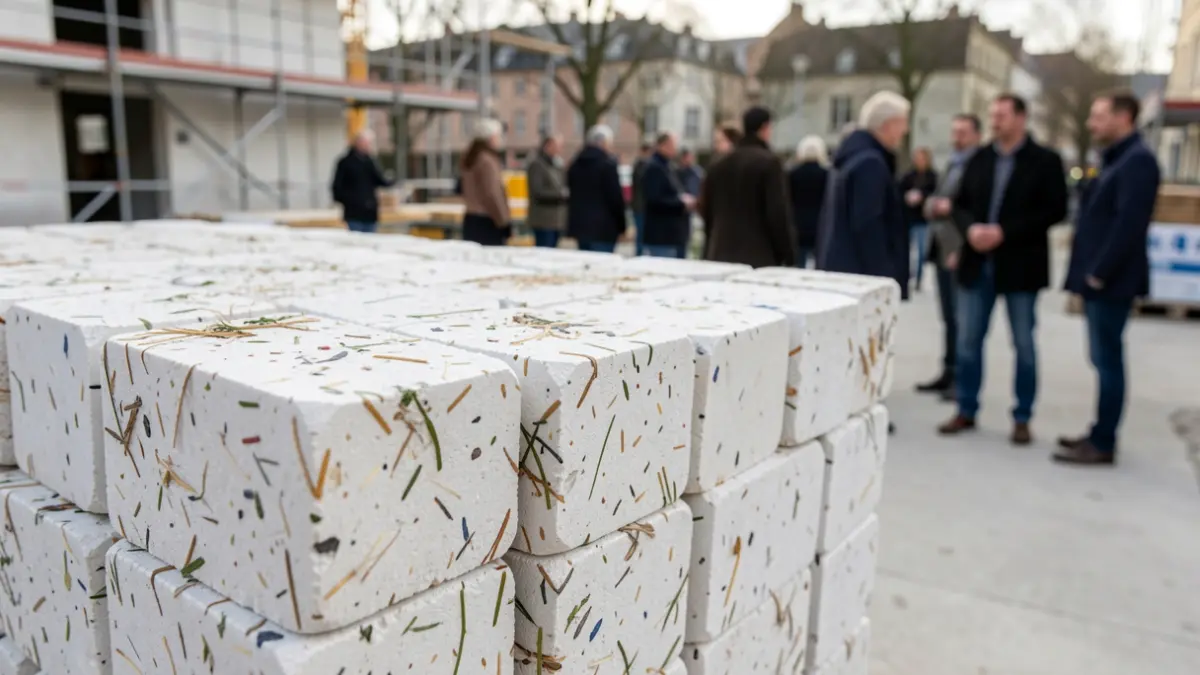
The REBLOCK project, co-financed by COMPETE 2030, emerges as an innovative solution to the environmental challenge of plastic waste and the demands of the construction sector. The proposal transforms hard-to-recycle plastic waste into modular construction blocks, combining circularity, efficiency, and competitiveness.
Fábio Iori, founder and manager of UmBloco, explains that the project stems from the convergence of two major challenges: the high consumption of plastics and insufficient recycling rates, and a construction sector seeking to reduce the use of high-carbon materials like cement and concrete, while optimizing waste management and addressing labor shortages.
REBLOCK blocks are produced using over 90% recycled polypropylene (R-PP), supplemented with mineral and plant fibers. The innovation lies not only in the raw material but also in the modular geometry and interlocking assembly system, which simplifies construction and reduces the need for specialized labor. The system is versatile, with planned applications in social housing, urban regeneration, sustainable tourism, and post-disaster reconstruction.
Circularity is a core pillar of the project, with estimated reductions of 40% to 60% in CO2 emissions over the lifecycle. REBLOCK has the potential to generate a patentable, competitive product ready for certification according to European requirements, such as Regulation (EU) 2024/3110.
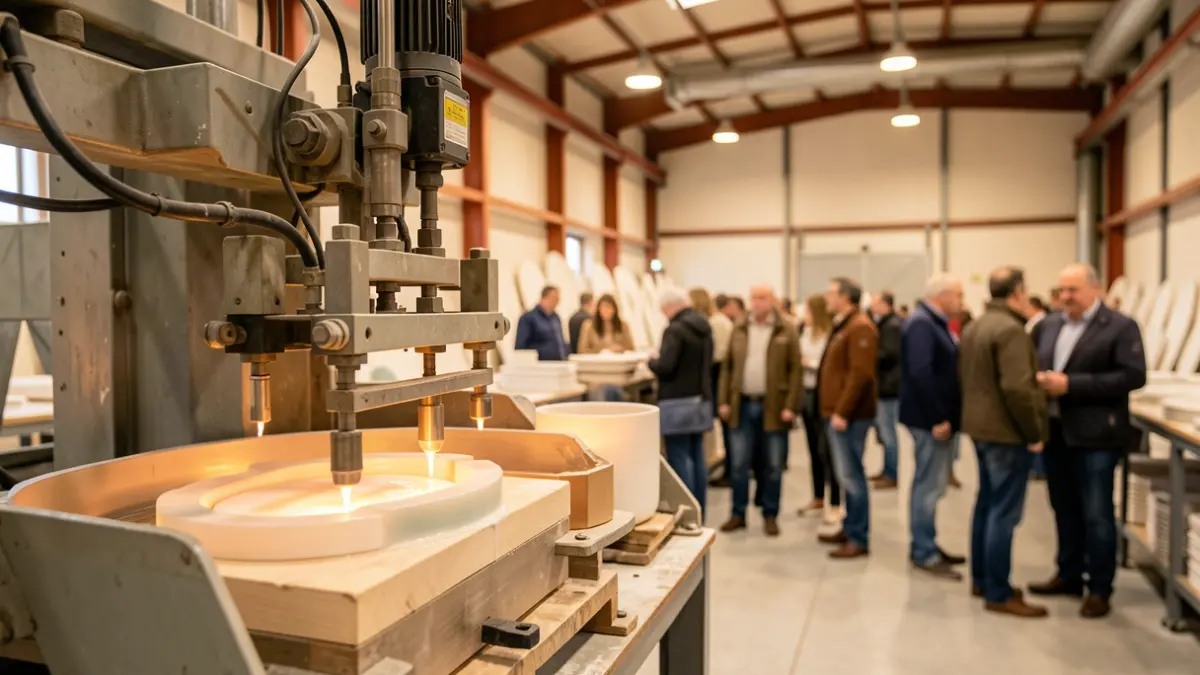
The development phase includes composite formulation, block geometry, and scalable industrial manufacturing, aiming to create an industrializable and certifiable solution that can compete with conventional blocks. The project aspires to position Portugal in a transforming European market.
The support from COMPETE 2030 is considered crucial for realizing the research, development, and technological validation activities. The project seeks to transform plastic waste and the needs of a more sustainable construction sector into a business opportunity.
More information about the REBLOCK project can be found at umbloco.com.