Research at ISA is shaping the food of 2040, with the development of innovative products already reaching the market. Examples include Compal's tomato pulp with algae, Continente's sauerkraut sauce with fermented vegetables, and Santiago Algae Green cheeses, all co-created between scientists and the agri-food industry.
Anabela Raymundo, coordinator of the Master's in Food Engineering, highlights the potential of algae as a sustainable alternative protein source, given the scarcity of water and animal protein. Spirulina and other microalgae are rich in nutrients and essential for oxygen production.
Portugal leads European algae research, with ISA playing a central role. Projects like Vertical Algas have driven applications in food, textiles, and footwear, funded by the Recovery and Resilience Plan.
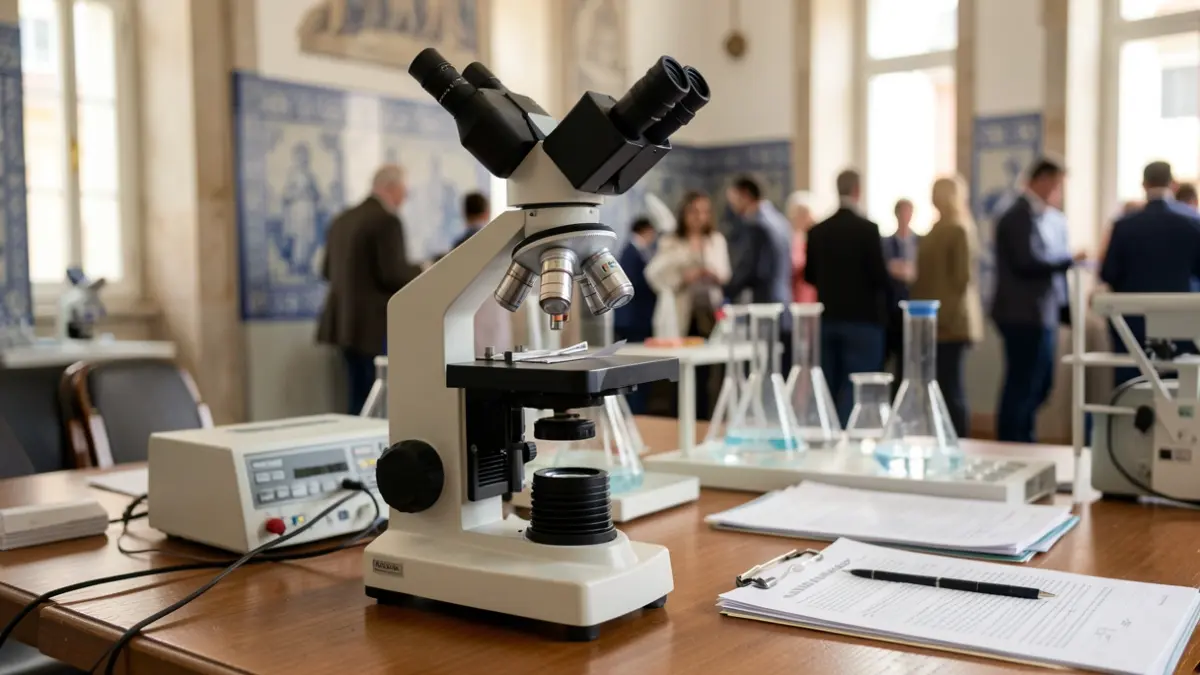
To make algae-based foods more appealing, scientists are investigating the use of enzymes and food pairing techniques to mitigate the sea-like odor and taste. Projects such as YUMAlage and AlgaeGreenchees have shown positive results in incorporating microalgae into cheese and bread.
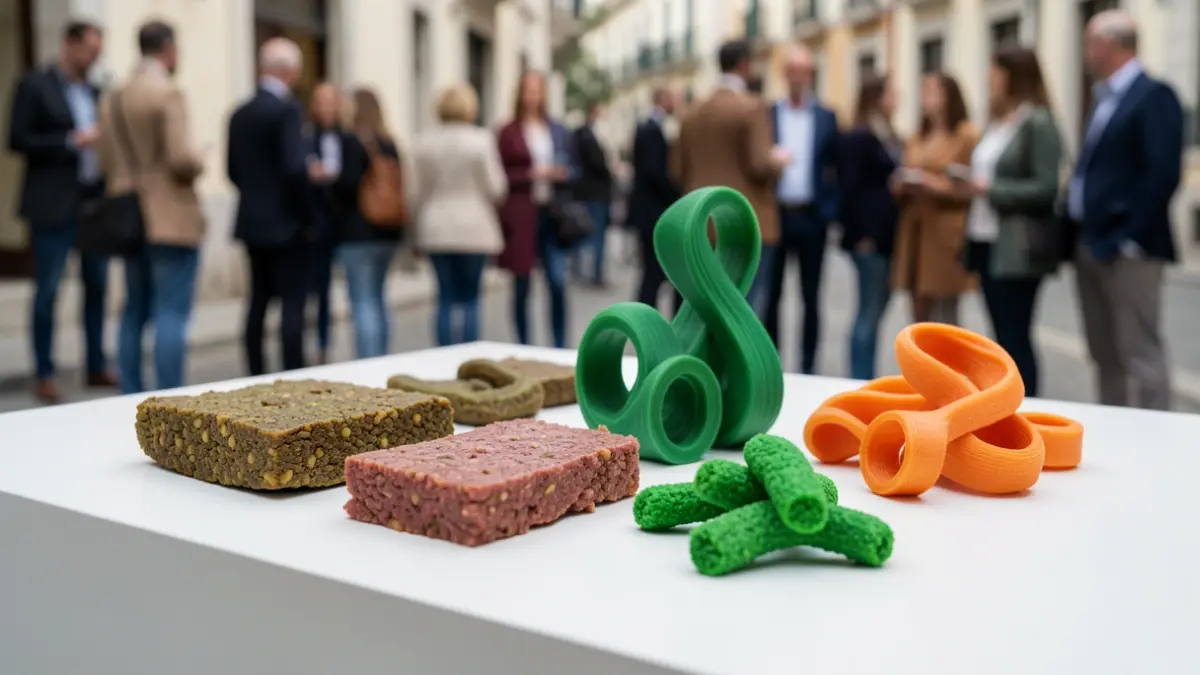
High-moisture extrusion technology, owned by ISA, allows for the creation of meat analogues with a texture similar to chicken, using algae and pea protein, or byproducts from the juice industry like Sumol+Compal. 3D printing is also used to create original shapes for snacks enriched with Spirulina.
Students from ISA are also contributing to innovation, such as the 2026 ECOTROPHELIA award won by Gubico, a plant-based fermented alternative to yogurt, which will represent Portugal at SIAL in Paris.
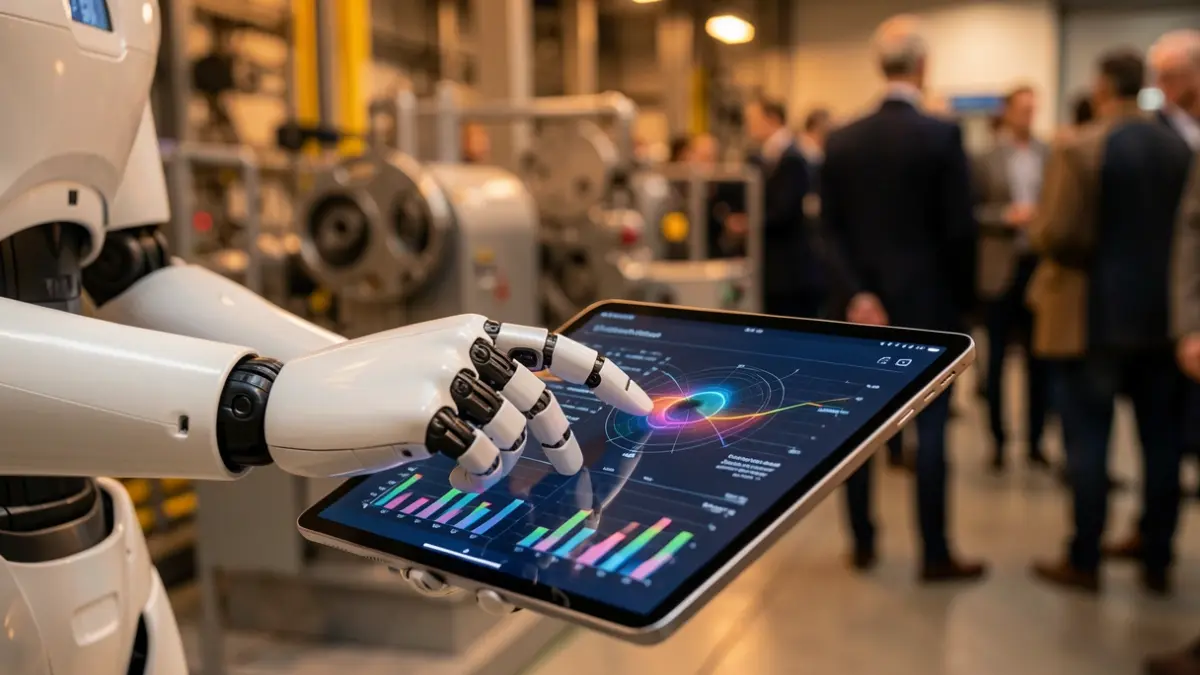
Anabela Raymundo foresees supermarkets in 2040 featuring artificial intelligence, strong traceability, and smart packaging, encouraging consumers to be more 'neophilic' towards new food solutions.
The proposal “Alimentar Portugal – Ciência e Inovação para a Segurança, Soberania e Competitividade Nacional” aims to place the future of food on the Government's agenda, connecting science, industry, consumers, and policymakers.