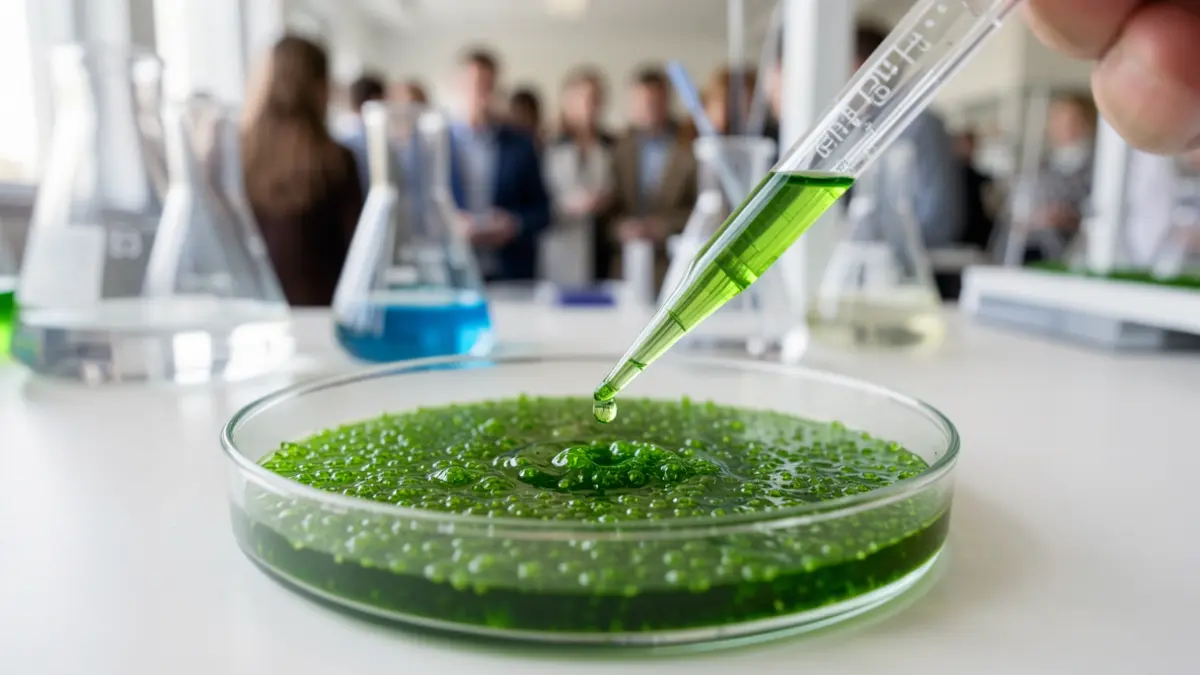
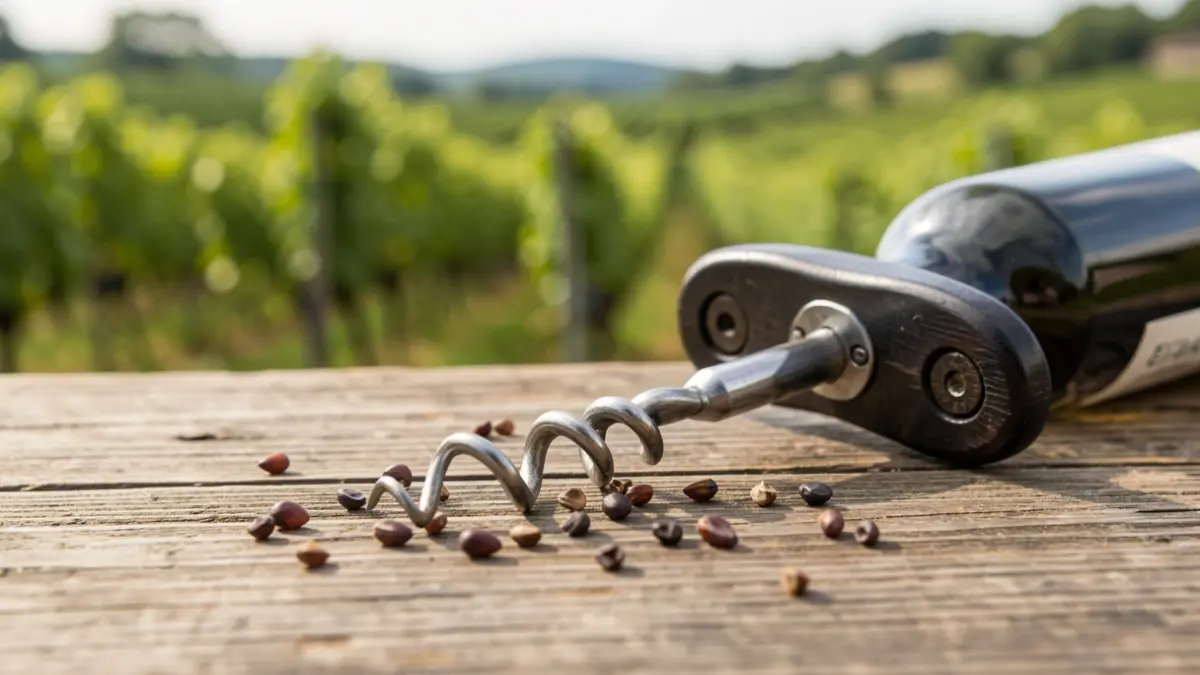
The GrapeUP – Valorization of Grape By-products for High-Value Products project, led by Mesosystem, investigates new ways to extract bioactive compounds from grape pomace and remnants, of interest to the cosmetic industry. The goal is to transform this waste into a natural raw material with economic valorization potential, responding to the growing demand for more sustainable and transparent solutions.
“The GrapeUP project embodies an innovative approach at the intersection of plant biotechnology, green chemistry, and high-value-added cosmetics,” states Bernardo Bastos, head of the initiative. The research focuses on extracting compounds such as polyphenols, flavonoids, and resveratrol from carefully selected grape varieties and terroirs.
The team will develop green and efficient extraction methodologies, followed by the study, enrichment, and microencapsulation of compounds to enhance their bioactive properties and stability. The expected outcome is an innovative cosmetic extract of natural and traceable origin, validated for its efficacy and safety in an industrial setting. Bernardo Bastos emphasizes that this approach could differentiate the ingredient in the premium segments of natural cosmetics and represents a strategic lever for diversifying Mesosystem's portfolio.
The innovation extends to traceability, with the creation of a system to track the raw material from grape harvesting to the final consumer. This solution could contribute to a digital product passport and assess the environmental, social, and economic impact of the value chain, reinforcing transparency and sustainability.
The consortium, led by Mesosystem, brings together five entities from the research and innovation system: REQUIMTE, INESTEC, Faculdade de Farmácia da Universidade do Porto, Instituto Politécnico de Tomar, and Universidade de Trás-os-Montes e Alto Douro. The scientific entities contribute expertise in extraction processes, green chemistry, bioactive compounds, traceability, and impact assessment. The project involves partners from the North and Center regions of Portugal.
“The support from COMPETE 2030 has been crucial for realizing this innovation agenda,” highlights Bernardo Bastos. The funding allows for accelerating the transfer of scientific knowledge to industrial applications and strengthening Mesosystem's competitiveness. GrapeUP demonstrates how collaborative research can generate higher value-added solutions, economic diversification, and sustainability.